
Flooring Underlay
Flooring underlay is a quiet hero in any good floor build-up. Often overlooked, it makes floors feel better underfoot, lasts longer, and helps control moisture and sound. At Floor N Décor in Ottoway, Adelaide, we know how much the right underlay matters. Our range covers common needs for homes and businesses, and our team helps match the right product to each job.
What Is Flooring Underlay and Why Is It Important?
Definition of Flooring Underlay
Flooring underlay is the material layer fitted directly beneath the finished floor surface. It sits between the subfloor and the visible floor, acting as a buffer that improves stability and cushioning. Underlays come in many forms, including foam, rubber, felt and builders plastic. Each type is chosen to suit particular flooring materials and site conditions.
Impact on Performance and Lifespan
A quality underlay softens the feel underfoot and absorbs impact, so floors cope better with daily wear. It evens out minor subfloor imperfections, reducing stress on floorboards or planks and slowing wear. The right underlay matched to the flooring type and environment can noticeably extend the life of your floor, especially where temperatures or foot traffic vary.
Noise Reduction, Insulation and Moisture Control
Underlays help reduce sound transmission, dampening footsteps and echoes for a quieter space. Many also provide thermal insulation, which can make rooms feel warmer and help with energy efficiency. Certain underlays include moisture barriers. These are essential when installing timber or hybrid floors over concrete slabs, because they stop rising damp from damaging the board layers.
Australian Building and Manufacturer Requirements
Following Australian building standards and manufacturer instructions matters. Many warranties require specific underlay types and moisture barriers to remain valid. At Floor N Décor we stock products that meet Australian codes and suit Adelaide’s climate and common construction methods, and we advise on compliance to protect your investment.
Our Products
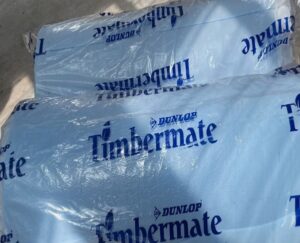
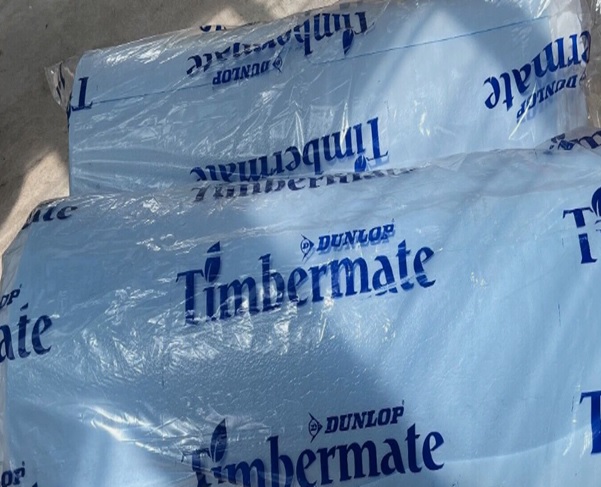
Dunlop Timbermate 2mm Hard Flooring Underlay
2mm Hard Flooring Underlay
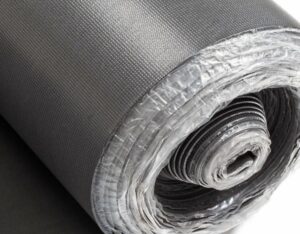
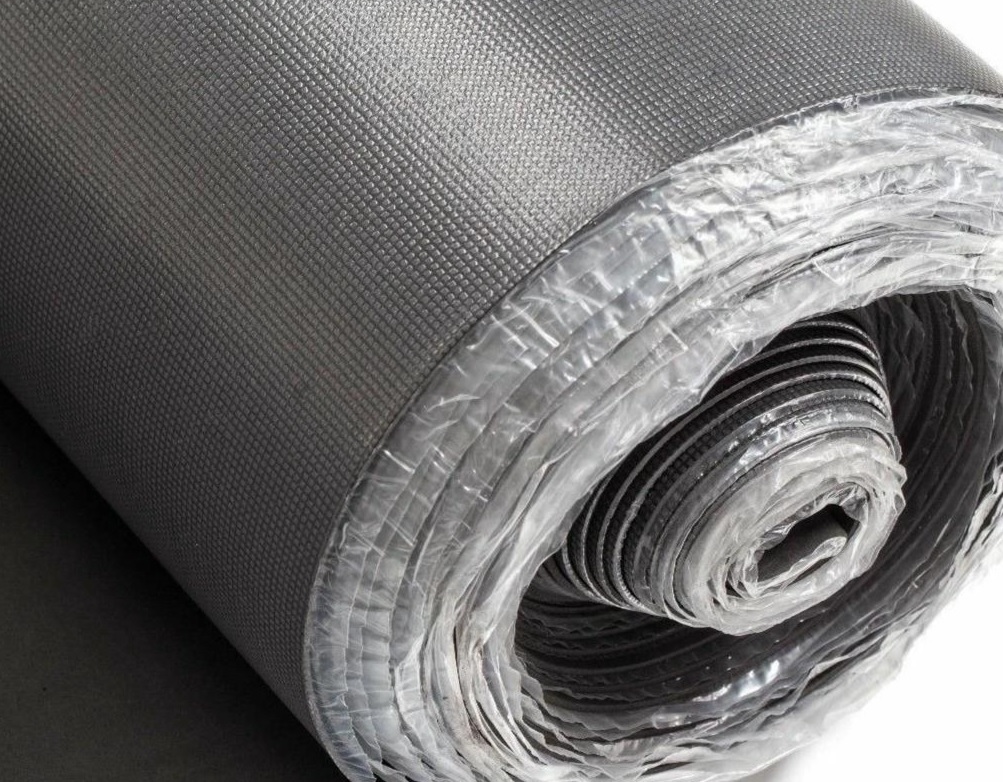
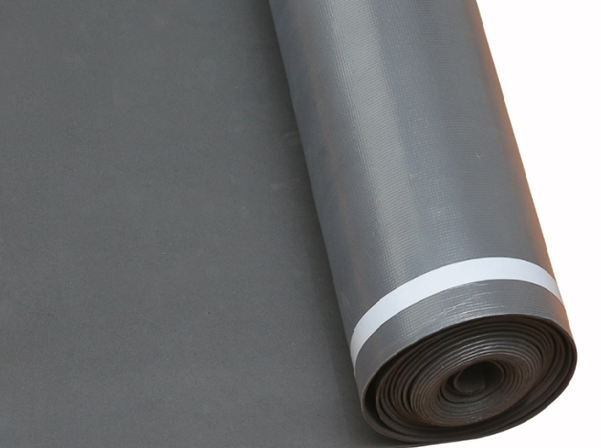
3mm Acoustic Underlay
3mm Acoustic Underlay
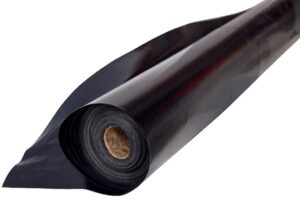
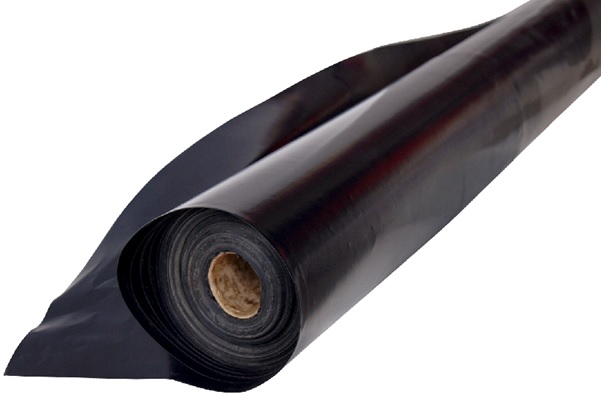
200um Builder Plastic
200um Builder Plastic
When to Use Builders Plastic Under Hybrid Flooring
Moisture Barrier Requirements
Builders plastic is commonly used as a moisture barrier under hybrid flooring, especially on concrete slabs. It helps prevent moisture from the slab reaching the flooring, which is crucial for avoiding cupping, swelling or adhesive failure. Given Adelaide’s climate swings, protecting hybrid floors from slab moisture is a sensible step.
Slab Protection and Installation Conditions
Beyond moisture control, builders plastic keeps the slab clean during installation, stopping dust and debris from affecting adhesion. Installers often require a builders plastic layer on concrete substrates when fitting hybrid flooring, to ensure a dry, even surface for the finished floor.
Builders Plastic Hybrid Flooring Compliance
Thickness, Overlaps, and Taping
Builders plastic used as a vapour barrier should meet thickness standards, commonly around 0.15 mm, to be effective. Overlaps need to be at least 150 mm, and seams must be taped and sealed to form a continuous barrier. These simple measures are important for compliance and long term performance.
Best Practice Installation Guidelines
Careful installation prevents punctures, gaps or poorly sealed joins that would let moisture through. Our team follows detailed procedures for laying builders plastic and other underlays, checking coverage, sealing seams and protecting the barrier during the rest of the build. Proper preparation pays off.
Key Benefits of Quality Flooring Underlay
- Enhanced walking comfort
- Reduced noise transmission
- Reliable moisture protection
- Extended flooring lifespan
- Supports compliance with manufacturer warranties
Our Products
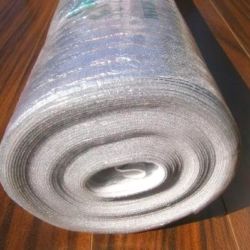
Choosing the Right Flooring Underlay for Your Project
Subfloor Considerations
The subfloor type and condition, whether concrete, timber or plywood, shape underlay choice. Uneven or moisture-prone subfloors demand specific underlay solutions to stabilise and protect the finished floor. A quick site check reveals what’s needed.
Flooring Type Compatibility
Different floors need different underlays. Hybrid flooring usually performs best with a builders plastic moisture barrier. Laminate and engineered timber often benefit from foam or felt underlays that improve acoustics and comfort. Match the underlay to the floor type and the manufacturer’s recommendations.
Acoustic and Moisture Requirements
In both homes and commercial spaces around Adelaide, it helps to balance noise reduction and moisture resistance. Apartments and multi-level buildings may prioritise acoustic performance. Ground-level rooms on concrete slabs need reliable vapour barriers.
Residential vs Commercial Use
Commercial locations usually need tougher underlays that handle heavier loads and constant traffic. Residential projects might prioritise cushioning and thermal comfort. Choose an underlay rated for the expected use and traffic.
Get Expert Advice on Flooring Underlay Today
Choosing the right underlay involves several practical factors, but expert advice simplifies the process. Contact Floor N Décor in Ottoway, Adelaide, for personalised guidance tailored to your project. Whether you are renovating a home or fitting out a commercial space, our team offers free consultations and detailed quotes. Visit our showroom or get in touch to see underlay options that protect your floor and keep it comfortable for years.